


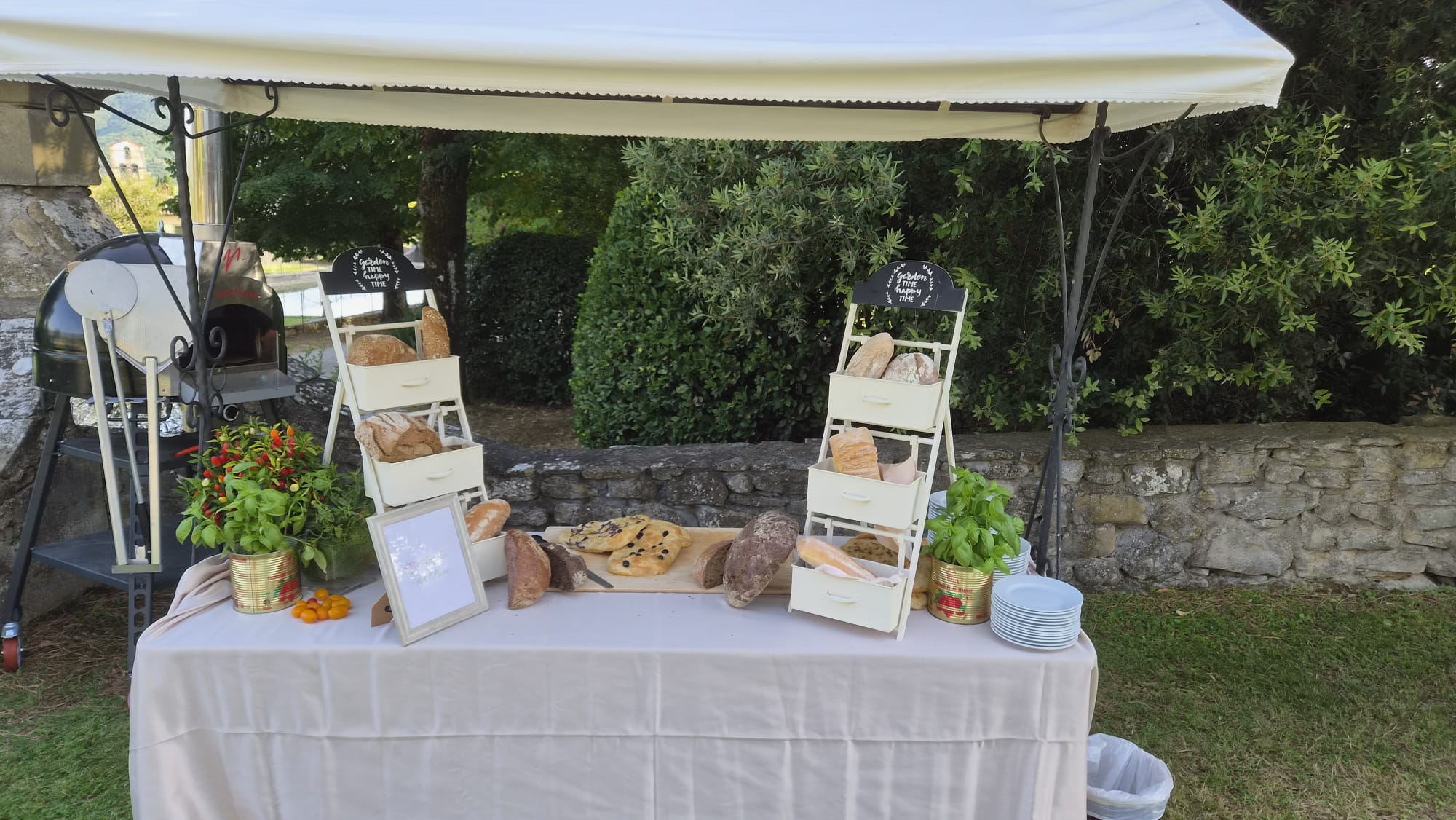
This image, taken at an Albatros reception, celebrates the most important food in human history: bread. The first grains used for rudimentary flatbread crushed acorns mixed with water date back some 14,000 years, though the process of leavening was invented by the Egyptians around 3,000 years ago. Early bread-making efforts involved barley and millet; the dough was kneaded by foot and left to rest to soften it, serving as both sustenance and reward for the pyramid workers.
Bread-making was refined by the Greeks, who identified 72 varieties, including spiced and honey-sweetened versions; however, it was under the Romans that bread culture truly flourished, thanks to stone mills powered by slaves or animals and the later introduction of watermills. During the Augustan age, Rome boasted up to 400 bakeries, primarily feeding the common people. The invention of brewer’s yeast later exported to Paris is credited to Marie de’ Medici during the Renaissance.
Today, there is a growing rediscovery of the “humble” grains used by the Greeks and Romans such as rye, barley, and spelt. Rich in fiber, B vitamins, and minerals (iron, magnesium, zinc), these grains digest slowly, offering greater satiety and better blood sugar balance.
Modern “bread boutiques” are now a feature of special events, offering 100% whole-grain loaves made with sourdough and slow-fermentation techniques sometimes even sold as individual “nuggets.” In our rural Tuscany, wasting bread is unthinkable; it becomes the star ingredient of one of our most beloved dishes, Ribollita. Yet, this precious food holds deeper meaning: breaking and sharing a rustic loaf embodying authenticity and a love for one’s roots brings people together, especially a newly forming family. Thus, the bread ritual in wedding ceremonies presented here in a magnificent display by Albatros evokes historical roots, a desire for natural simplicity, and heartfelt wishes for prosperity and well-being.